Description
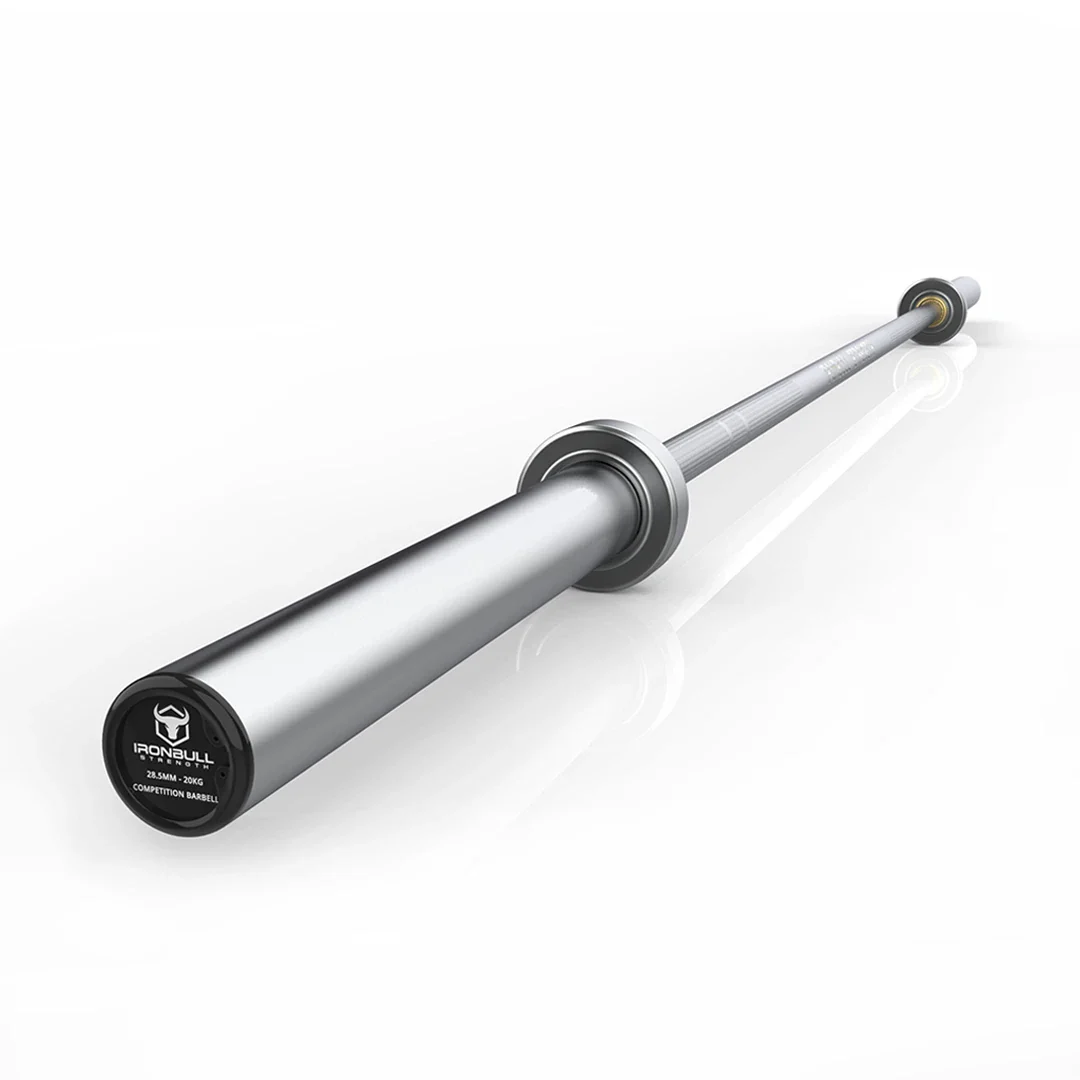
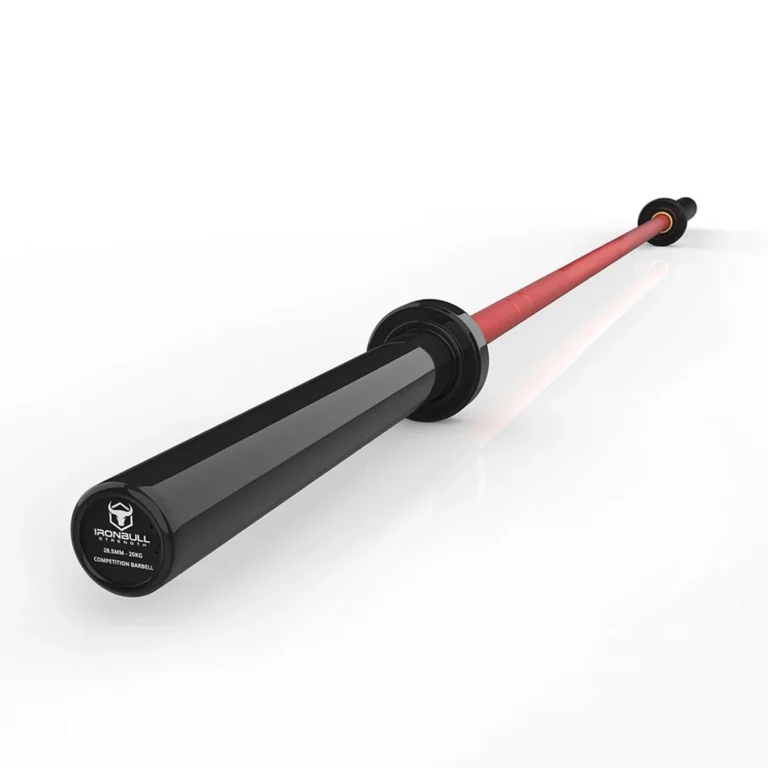
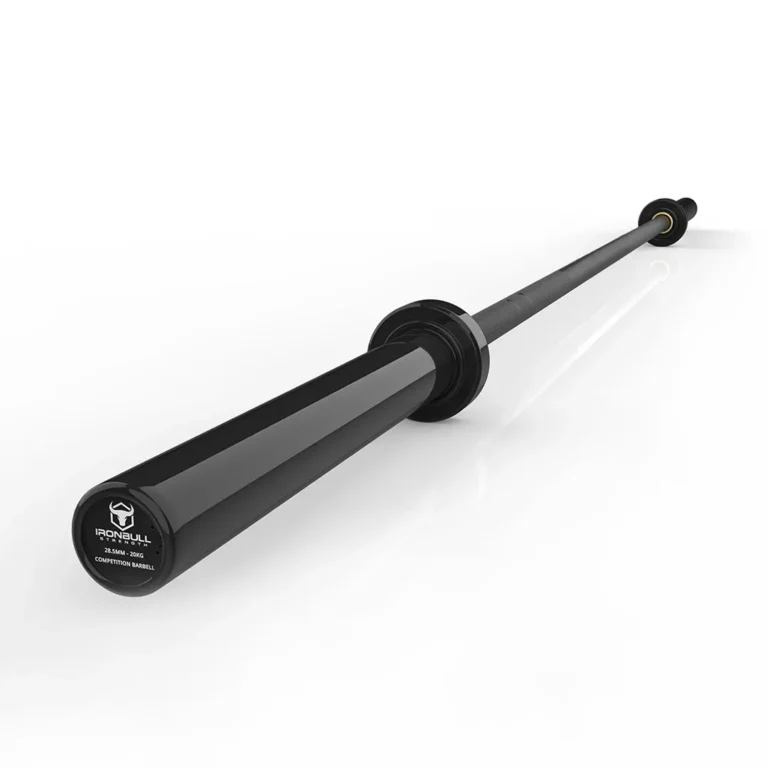
Competition Bar – Reliable Gym Equipment for Serious Training
A Competition Bar is designed for athletes who want a barbell that can handle demanding strength sessions, Olympic lifting, and competition-focused training. With a strong shaft, carefully designed knurling, rotating sleeves, and competition-oriented dimensions, this type of bar provides the control and consistency needed for everything from everyday strength workouts to high-level athletic preparation.
Competition bars are not limited to professional competitors. They can also be an excellent addition to a commercial gym or home gym equipment setup. Whether you are working toward a new personal record, improving your lifting technique, or building strength for a physique-focused program, the right bar can become one of the most frequently used pieces of equipment in your training space.
For athletes preparing for a women’s bodybuilding competition, women’s fitness competition, or other strength and physique goals, choosing equipment that matches the demands of the program can make training more comfortable and consistent.
What Makes a Competition Bar Different?
A competition bar is built with greater attention to the details that affect lifting performance. While a basic barbell may work well for occasional workouts, competition-oriented bars are designed for athletes who regularly perform loaded movements and want predictable handling.
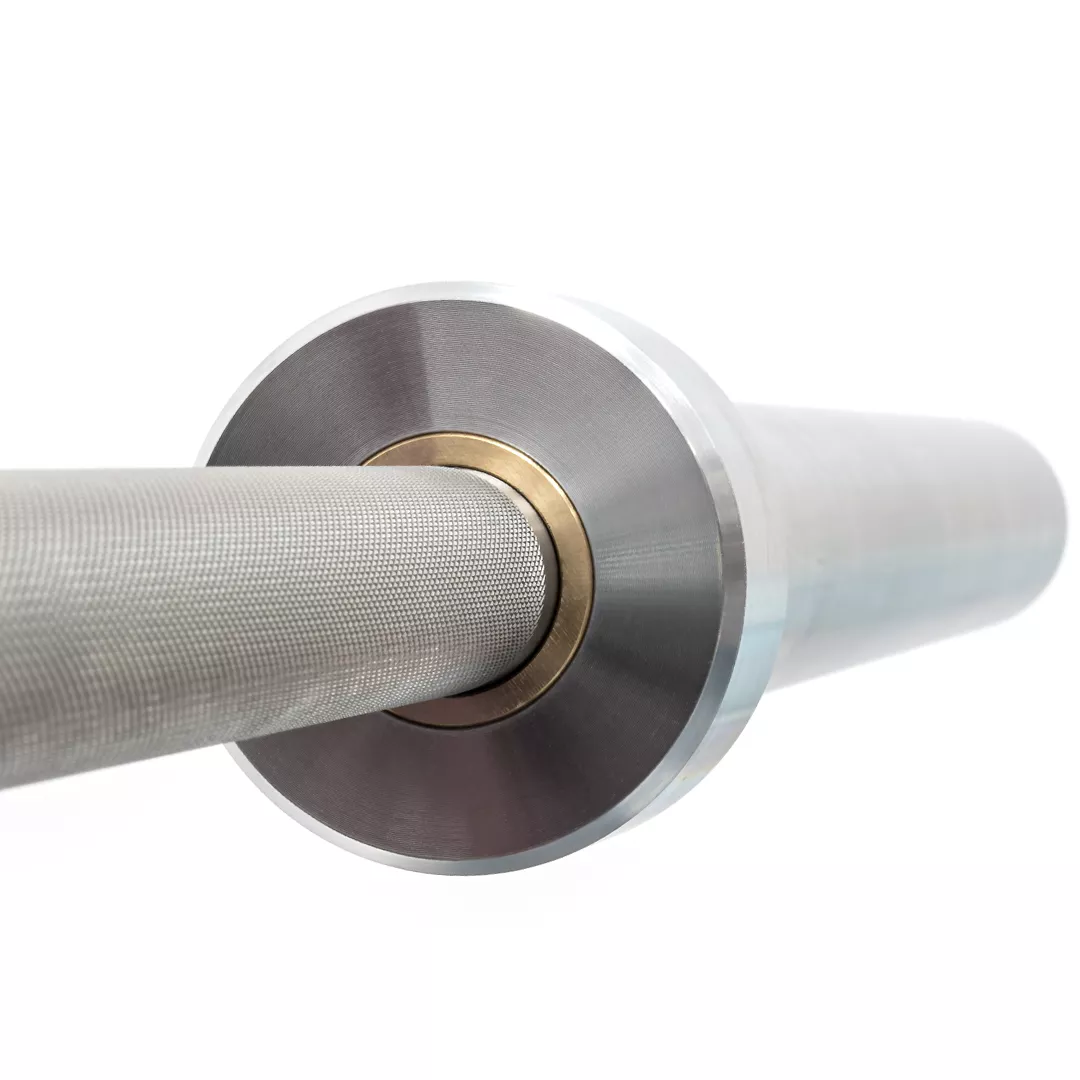
The shaft diameter, tensile strength, knurling pattern, sleeve rotation, finish, and overall dimensions can all influence how a bar feels during training.
For Olympic weightlifting, the bar needs enough flexibility and smooth sleeve rotation to move naturally during explosive exercises such as the snatch and clean & jerk. For powerlifting and general strength work, lifters may place greater emphasis on stiffness, aggressive grip, and durability.
That is why choosing the right Competition Bar starts with understanding the type of training you plan to perform.
Key Benefits and Features of a Competition Bar
- Competition-oriented construction: Built for demanding strength and athletic training.
- Durable steel shaft: Provides a solid foundation for repeated loaded movements.
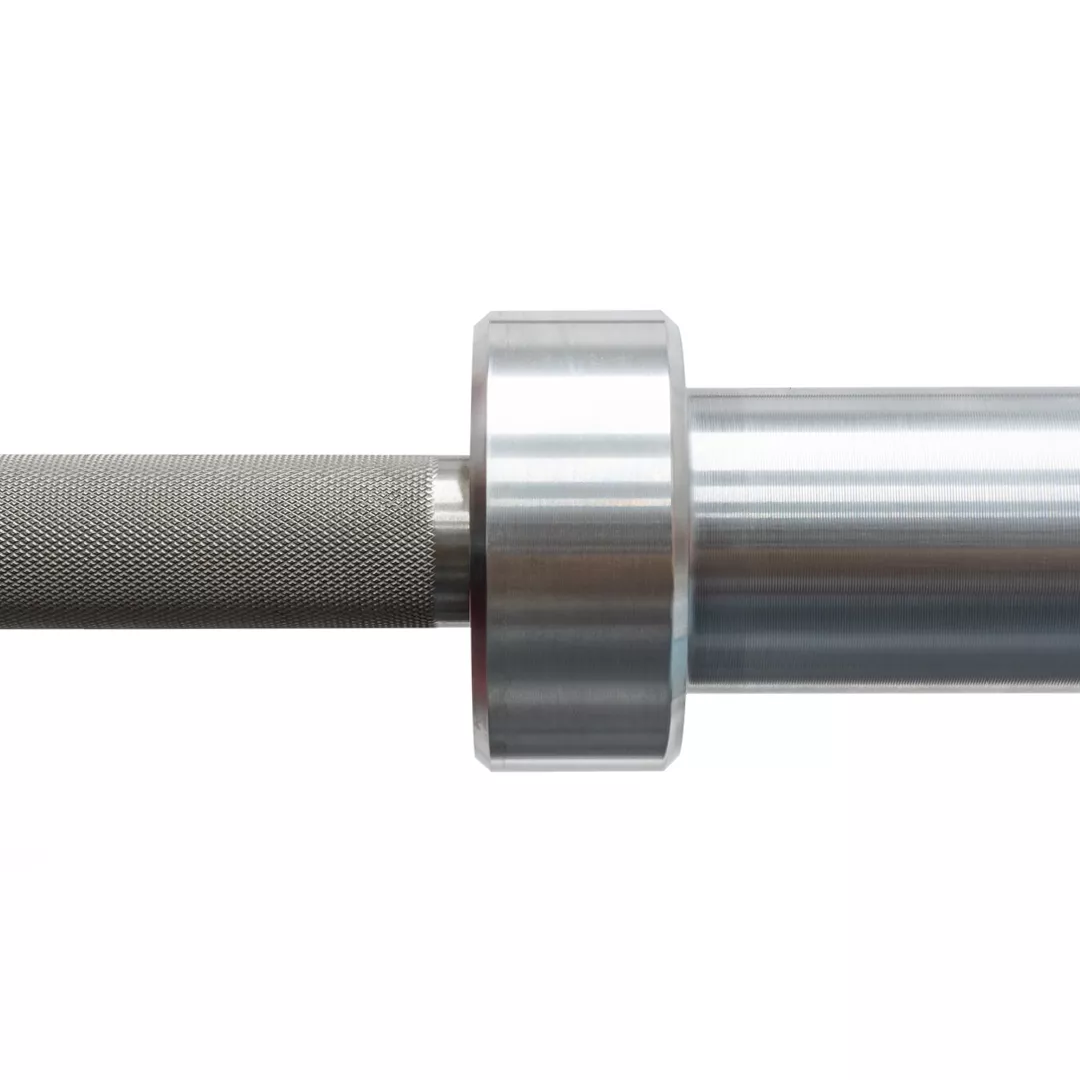
- Precision knurling: Helps provide a secure grip during heavy lifts.
- Rotating sleeves: Supports smoother bar movement during Olympic-style exercises.
- Versatile design: Suitable for squats, deadlifts, presses, rows, cleans, and other barbell movements.
- Professional gym equipment: Works well in commercial training facilities and serious home gyms.
- Long-term training value: A quality bar can support progressive strength training for years when properly maintained.
The exact specifications vary between manufacturers and bar types. Some competition bars are designed specifically for Olympic weightlifting, while others are built around powerlifting or multipurpose use brands like Iron Bull Strength
Competition Bar for Strength Training
A quality barbell gives you the freedom to build an entire training program around compound exercises. Squats can strengthen the lower body. Deadlifts target the posterior chain. Overhead presses develop the shoulders and upper body, while rows provide additional back training.
The bar also makes progressive overload straightforward. You can increase the weight gradually as your technique and strength improve.
For serious lifters, this consistency matters. A dependable bar allows you to focus on your movement instead of constantly adapting to equipment that feels different from session to session.
A competition-style bar can also provide useful feedback. Good knurling helps you maintain your grip, while a properly balanced shaft and smooth sleeves create a predictable lifting experience.
Olympic Lifting and Functional Fitness
Competition bars are particularly useful for dynamic exercises. Olympic movements require athletes to move the bar quickly while maintaining control throughout the lift.
A bar designed for Olympic weightlifting typically uses sleeves that rotate smoothly to reduce unnecessary resistance as the bar changes direction. This is especially important during cleans and snatches, where the bar travels rapidly and the athlete changes position underneath it.
Functional fitness athletes can also incorporate competition-style bars into workouts involving:
- Power cleans
- Hang cleans
- Snatches
- Push presses
- Front squats
- Thrusters
- Deadlifts
- Barbell complexes
This versatility makes a Competition Bar a valuable piece of gym equipment for athletes who combine strength, conditioning, and technical lifting.
Competition Bar for Physique and Bodybuilding Training
Although barbells are strongly associated with strength sports, they also have a place in physique development. Athletes preparing for a physique competition women’s division or a women bodybuilder competition may use barbell exercises as part of their resistance-training routine.
Barbell squats, Romanian deadlifts, hip thrusts, rows, presses, and other compound movements can help athletes train multiple muscle groups efficiently.
A barbell should not replace every exercise in a bodybuilding program. Dumbbells, machines, cables, and isolation exercises each have their own advantages. However, a reliable competition-style bar gives athletes another effective tool for progressive resistance training.
For someone preparing for a women’s bodybuilding competition, consistency is especially important. Training equipment should feel reliable throughout long preparation periods, allowing the athlete to concentrate on exercise technique, volume, intensity, and recovery.
Choosing the Right Competition Bar for Your Gym
When browsing gym equipment for sale, avoid choosing a bar based solely on appearance or price. Think about how you intend to use it.
If Olympic lifting is your priority, look for a bar designed with appropriate sleeve rotation, knurl markings, and flexibility. If powerlifting is your focus, consider a stiffer bar with knurling suited to heavy squats, bench presses, and deadlifts.
For a general-purpose home gym equipment setup, a multipurpose competition bar may provide the best balance. You can use one bar for strength training, Olympic movements, conditioning workouts, and general fitness.
Also consider the plates and rack you already own. Your bar should fit standard Olympic plates and work safely with your squat rack or power rack. Proper flooring is equally important, especially if you plan to perform Olympic lifts or regularly train with heavy loads.
Comfort, Grip, and Bar Control
A bar’s knurling can have a significant effect on the training experience. Knurling that is too passive may make heavy pulling movements uncomfortable, while extremely aggressive knurling can irritate the hands during high-volume sessions.
The ideal grip depends on the athlete and the type of lifting being performed.
Competition bars often include carefully positioned knurl marks that help lifters establish consistent hand placement. This can be useful when practicing technical lifts or repeating the same movement patterns over multiple training sessions.
A well-designed bar should feel secure without forcing you to grip harder than necessary. That balance can help you maintain better control throughout your workout.
Maintaining Your Competition Bar
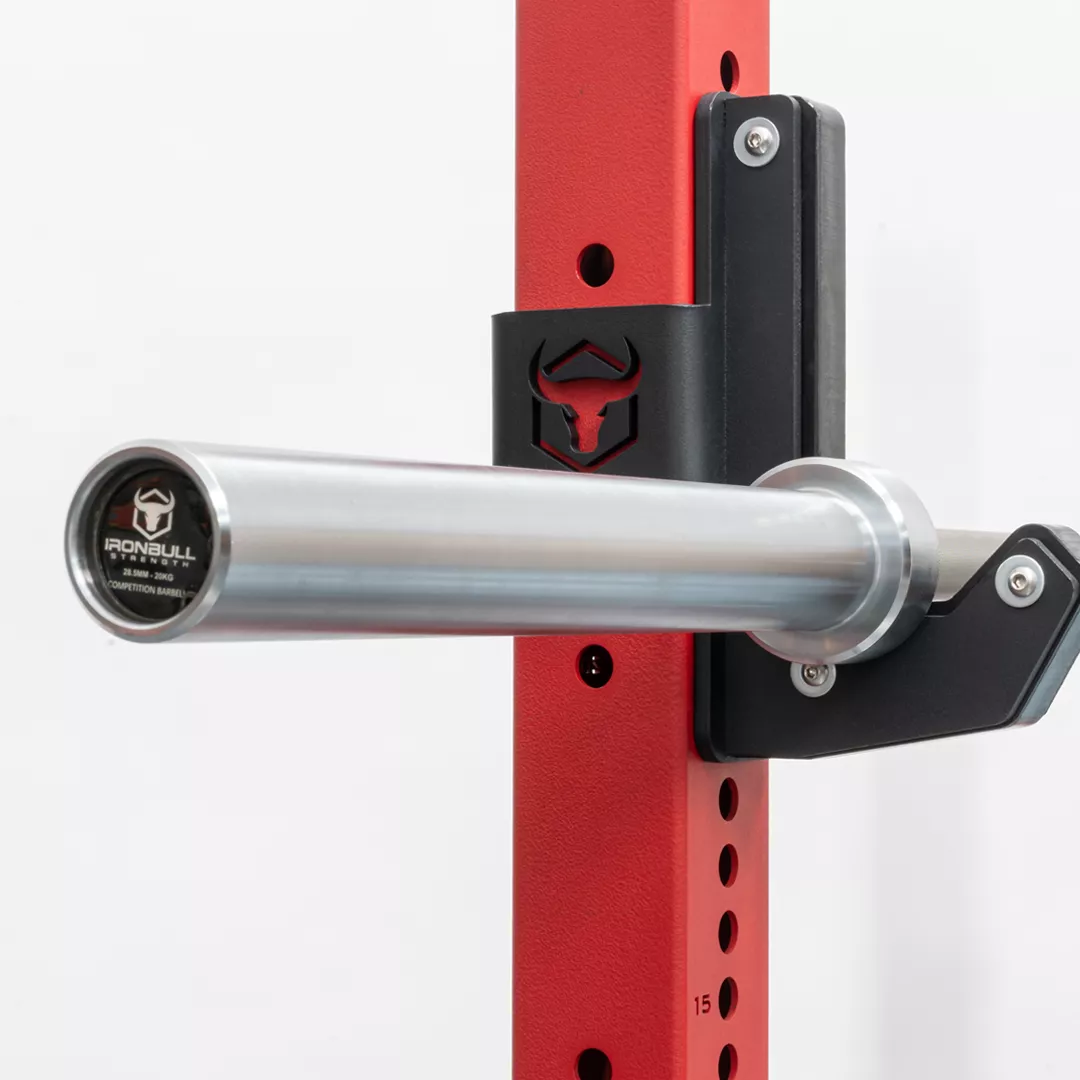
Even a durable bar benefits from proper care. Store it horizontally or in an appropriate vertical bar holder rather than leaving it on the floor. Keep the shaft and sleeves clean, particularly if the equipment is used frequently.
Avoid dropping a bar that is not designed for controlled Olympic lifting. If your training involves frequent drops, choose a bar specifically rated for that type of use and pair it with appropriate bumper plates and lifting platforms.
Regular maintenance can also help preserve sleeve rotation and protect the bar’s finish. Always follow the manufacturer’s care recommendations because different coatings and bearing systems require different maintenance methods.
A Valuable Addition to Your Training Space
A Competition Bar can serve as the foundation for a wide variety of workouts. It gives strength athletes a reliable tool for heavy compound movements while providing the versatility needed for Olympic lifting, functional fitness, and physique training.
Whether you train in a commercial facility or are building a home gym equipment collection, investing in a properly designed bar can improve the overall quality of your setup. It is one of those pieces of equipment that can remain useful as your training develops.
For athletes working toward a women’s fitness competition, women’s bodybuilding competition, or personal strength goals, the right bar can support consistent resistance training throughout the process.
Ultimately, the best Competition Bar is one that matches your discipline, training style, and equipment setup. Choose the appropriate bar type, maintain it properly, and pair it with quality plates, a secure rack, and a structured program. With the right foundation, your barbell becomes more than another piece of gym equipment it becomes a dependable part of your training routine.

Reviews
There are no reviews yet